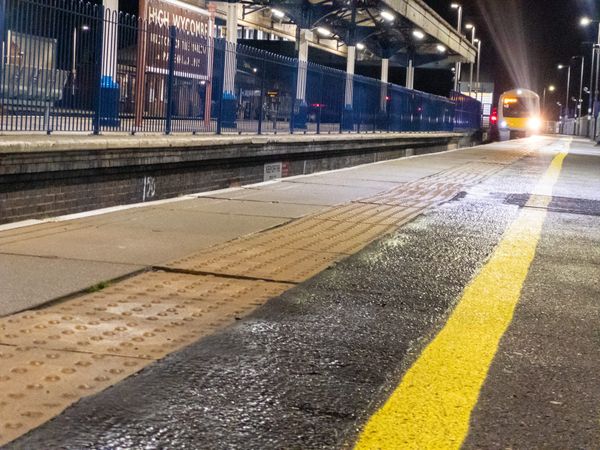
Note — The Invisible Boundaries of High Wycombe Station
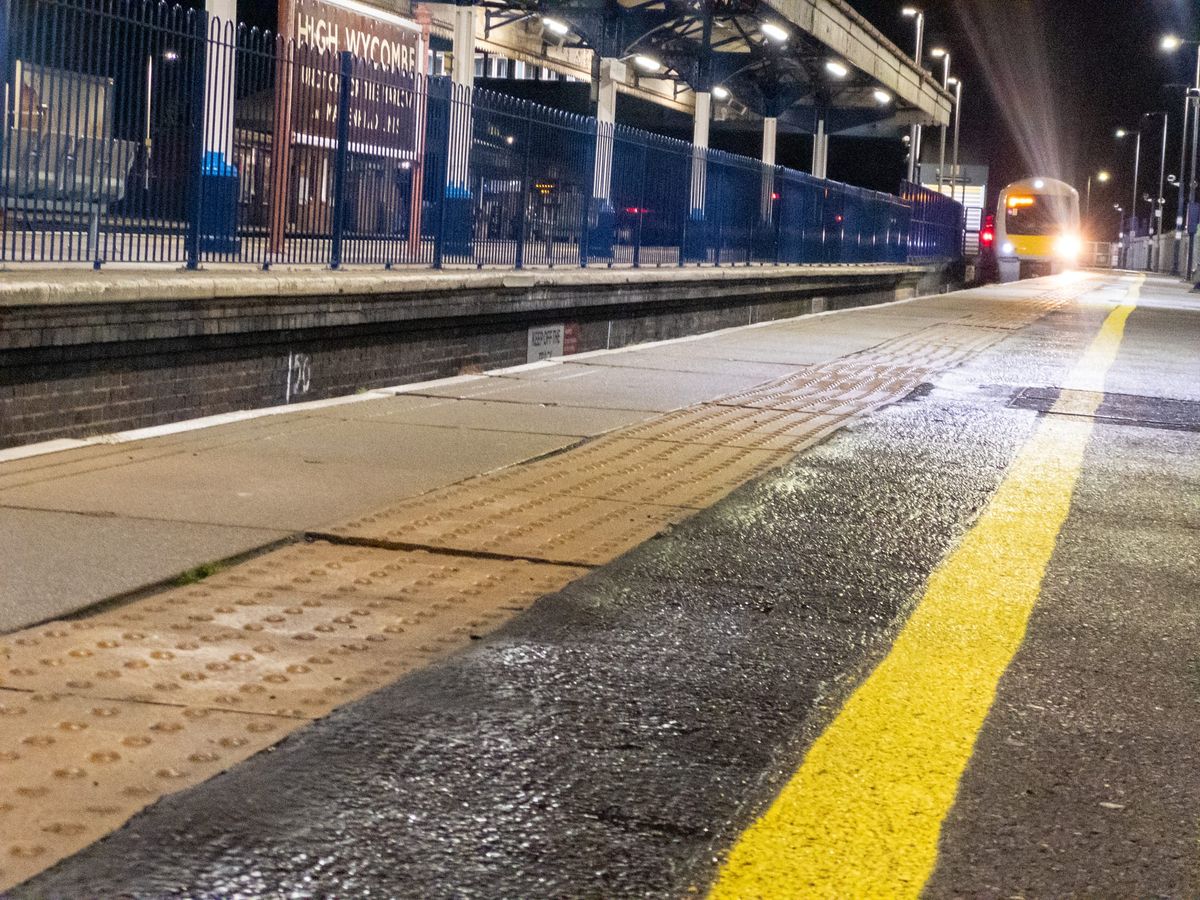
Note — The Invisible Boundaries of High Wycombe Station
As a Master of Architecture student in the UK, one of the things we constantly study in studio is the idea of “thresholds and boundaries”—the quiet, almost invisible design systems that guide human behaviour without anyone realising it.
Designing even a simple residential home in the UK is vastly more complex than back home in Myanmar. In Myanmar, outside of securing a basic building permit (unless you are inside a strict gated estate), builders have enormous freedom to build almost however they please. Here in the UK, every millimetre is governed by regulations, human psychology, and safety engineering.
▪️ Standing on the platform at High Wycombe station this evening waiting for the train, I looked down at the ground between my toes and the railway tracks. In less than a metre of space, there are five distinct layers of colour and texture—each doing a quiet job that thousands of commuters walk over every day without noticing:
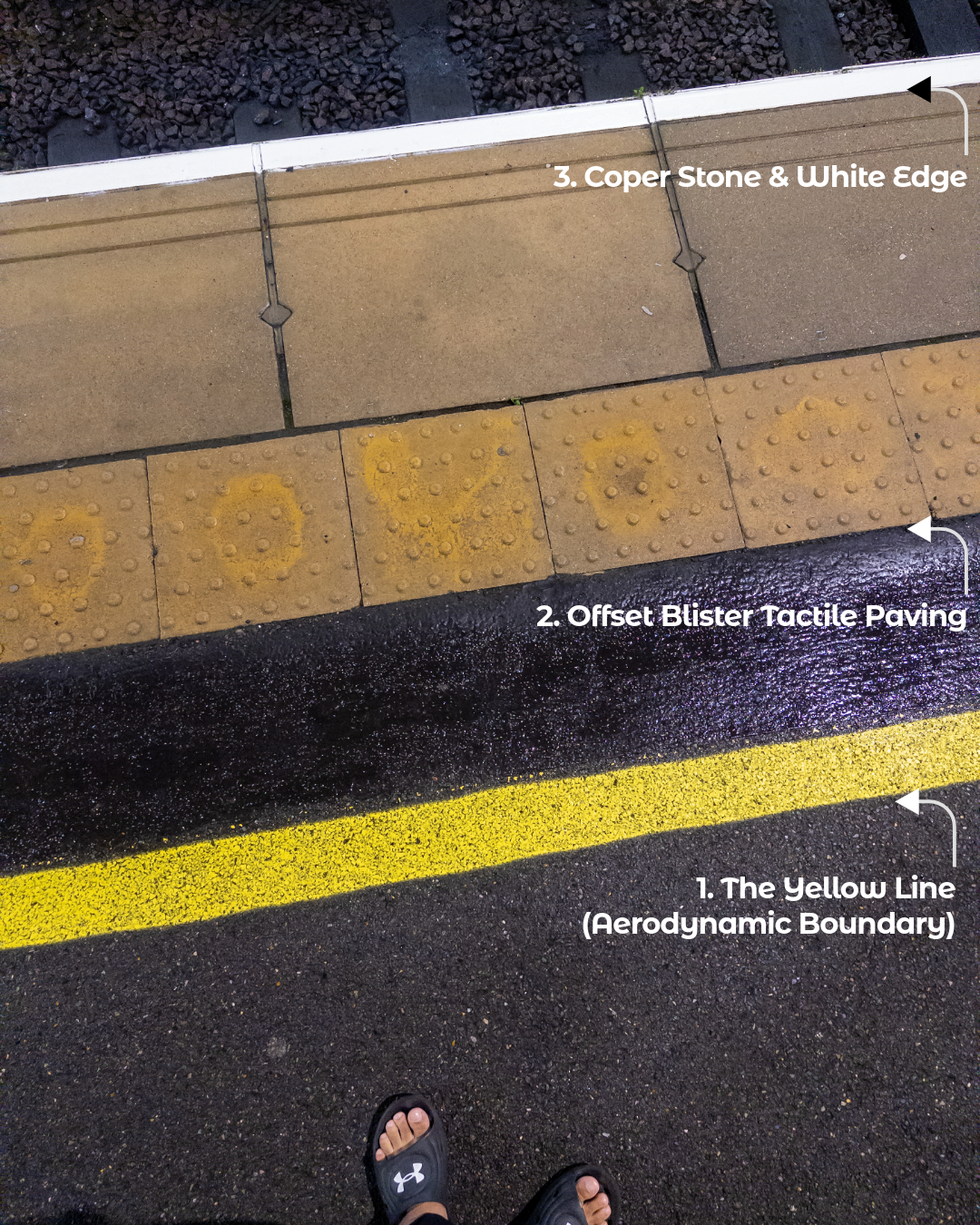
1.The Yellow Line (Aerodynamic & Visual Threshold)
Without needing a physical fence, a single strip of yellow paint holds back thousands of people every rush hour. Its true purpose isn't just to keep you from falling—it marks the boundary of the aerodynamic slipstream created when non-stop trains pass through at high speed.
And why yellow? Because in progressive sight loss, yellow is scientifically the very last colour the human eye loses the ability to perceive.
2.Offset Blister Tactile Paving
Step past the yellow line, and the texture beneath your shoes changes immediately into rows of raised flat-topped domes. For visually impaired passengers—or distracted commuters looking down at their phones—this is a physical warning system transmitted straight through the soles of your feet.
Unlike street crossings where tactile paving sits right against the kerb, railway tactile paving in the UK is intentionally set back roughly 500–750mm from the drop—giving a blind person who feels the bumps with their foot or cane enough stopping distance before reaching the edge.
3.Grooved Coper Stones & The White Nose
Beyond the tactile blocks sits the concrete platform coper, machined with parallel recessed channels to create friction and drain rainwater so shoes don't slip in the British frost.
Finally, the very edge is painted stark white—creating maximum visual contrast against the dark ballast tracks below so passengers can judge the step onto the train at night.
Good architecture doesn't need to shout at people. Through subtle shifts in colour, contrast, and texture under your feet, it quietly keeps people alive every single day.
(P.S. Ignore the fact that I spent yesterday telling everyone to wear thick socks and boots in the October cold, only to get caught in slides on the platform tonight.)
—
Evening architecture notes.
High Wycombe Station, UK.
© Moe 2026. All Rights Reserved.